Lynne Taylor is Senior Lecturer in Pastoral Theology at the University of Otago, where she researches and teaches on the work of the Church and Christians in the world today: on faith formation, mission and evangelism; pastoral care and ministry leadership; and how diverse people and groups can live well together, supporting the flourishing of all. Lynne is also Researcher for the Baptist Churches of New Zealand. In this article, she provides insights from recent research on Baptist women in leadership.
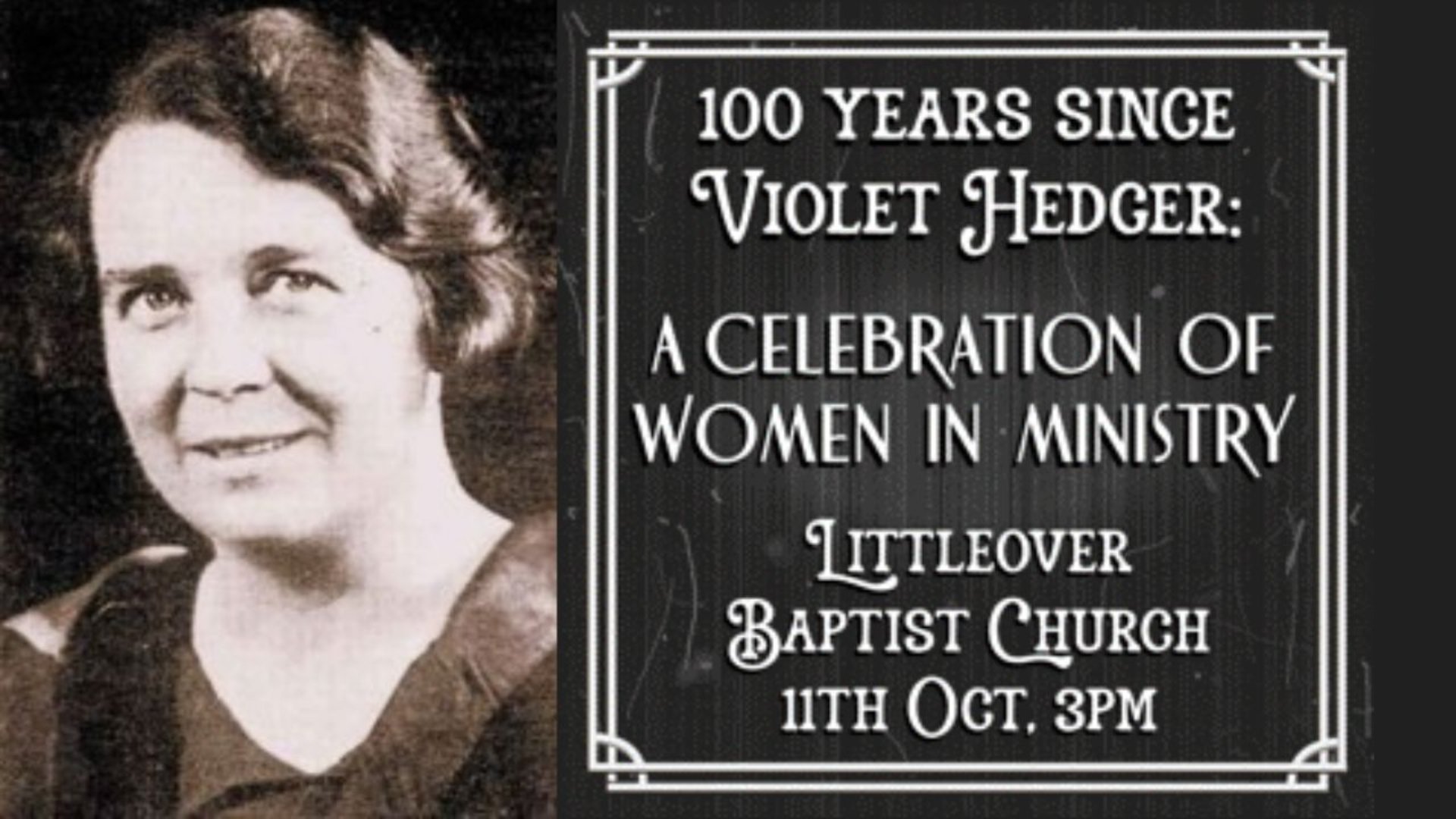
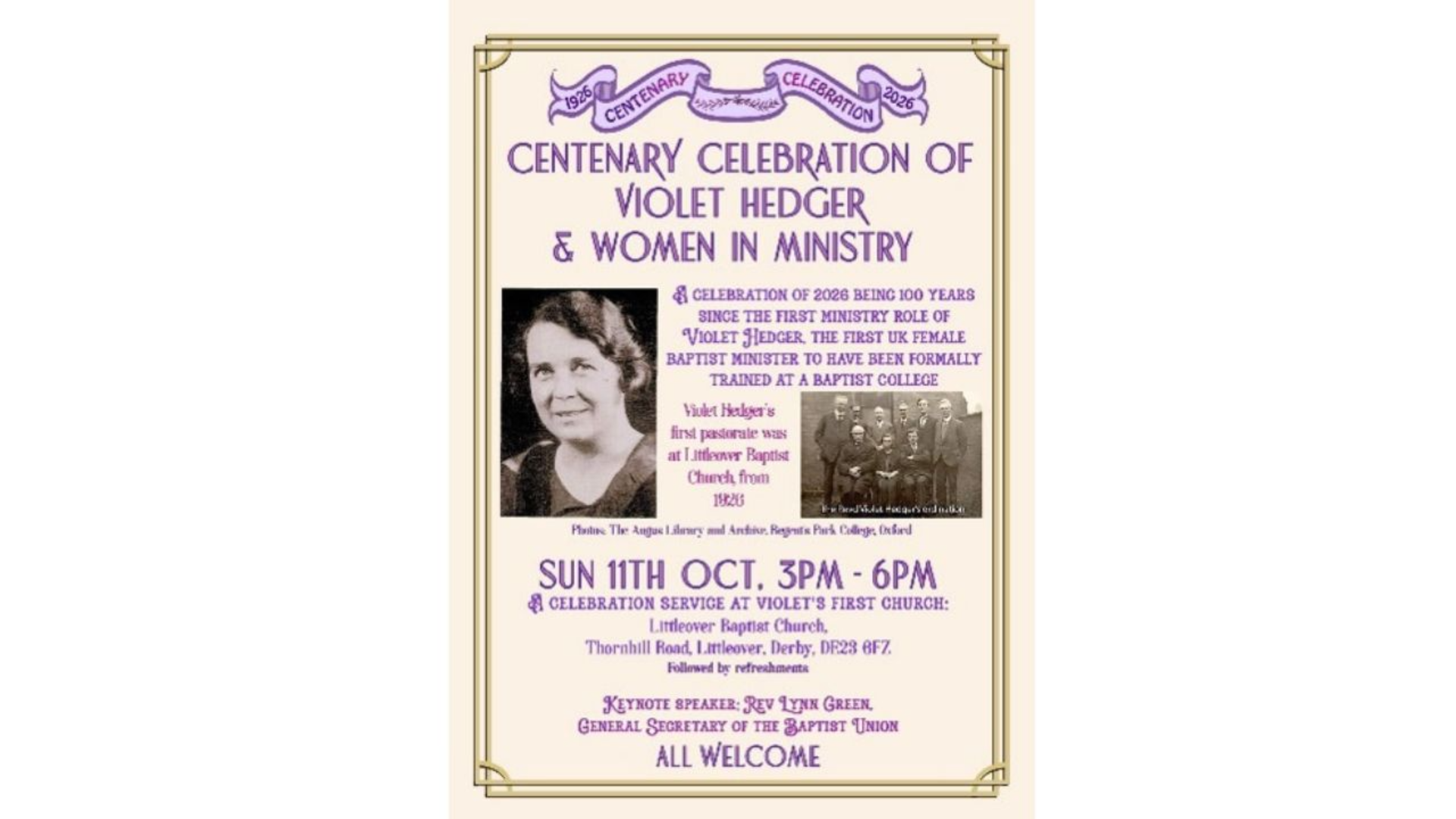
This month, on the other side of the world, Littleover Baptist Church and the Baptist Union of Great Britain (BUGB) are celebrating the appointment one hundred years ago of Rev Violet Hedger (the first Baptist woman in the UK to be college trained for ordination) to her first ministry role, at the Derby church.
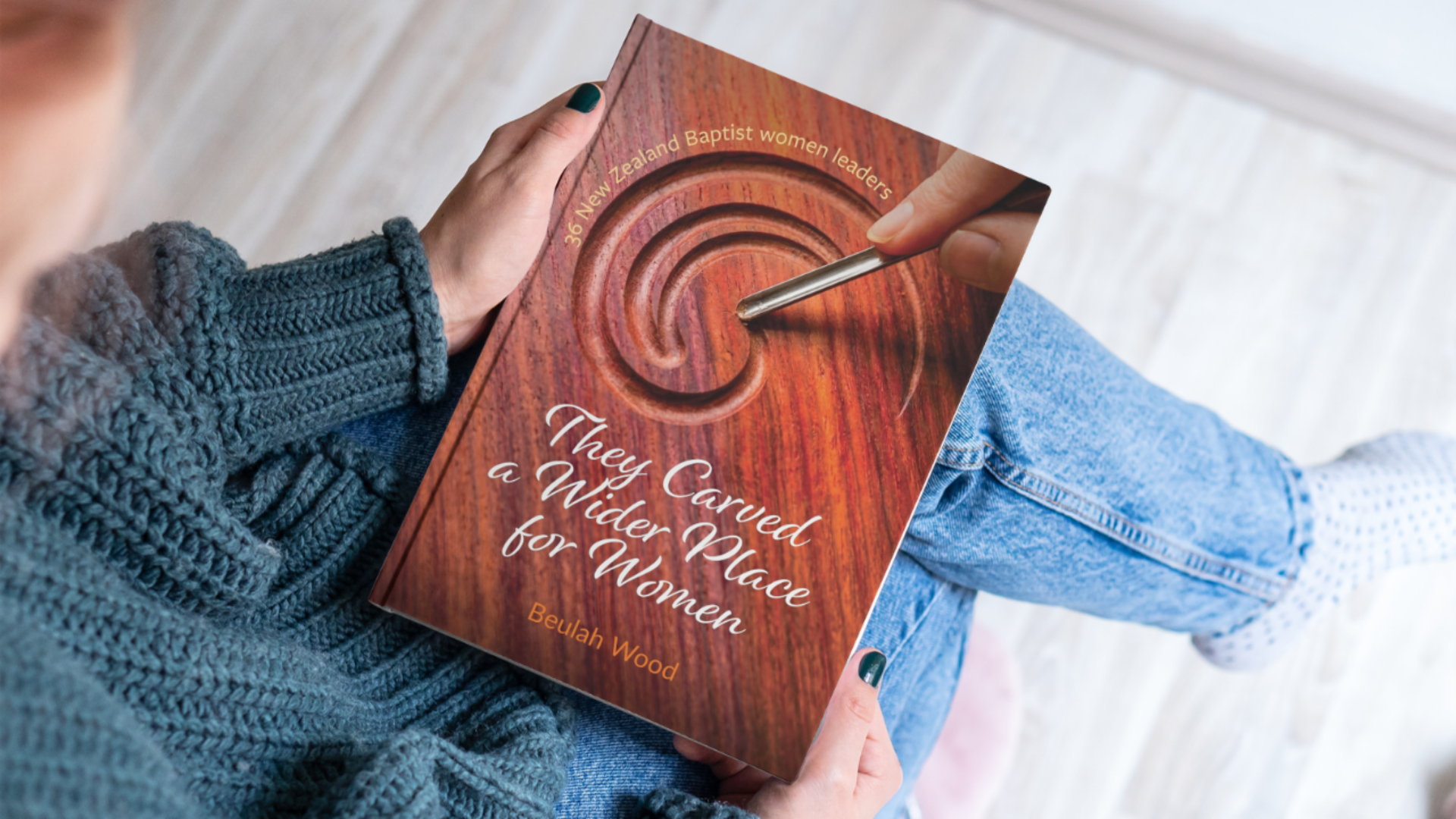
Here in Aotearoa, women were “active in church affairs” from early settlement. The NZBMS’s first missionary was Rosalie Macgeorge (who went to India in 1886), and Sister Joan Milner was the first Baptist deaconess, appointed in 1954. Patricia Preest (in 1973, the first accredited Baptist woman minister) worked first as a chaplain before being appointed as an assistant pastor in 1989. It was 1978 before Margaret Motion became the first woman inducted as a pastor; and 1982 before Ngaire Brader became the first woman appointed as a sole-charge Baptist pastor: 64 years after Hedger’s appointment to Littleover Baptist Church. (More about these and other remarkable NZ Baptist women can be found in Beulah Wood’s book, They Carved a Wider Place for Women.)
Thirty-five years later, in 2017 there were 18 women in senior, sole, or co-pastoral leadership in NZ Baptist churches and by 2025, the number of women had more than doubled, to 37. While this is heartening recent growth for a denomination that made its first significant statement affirming the place of women 50 years ago, with nearly 250 churches in our movement, this still represents just 15% of churches being led (or co-lead) by women.
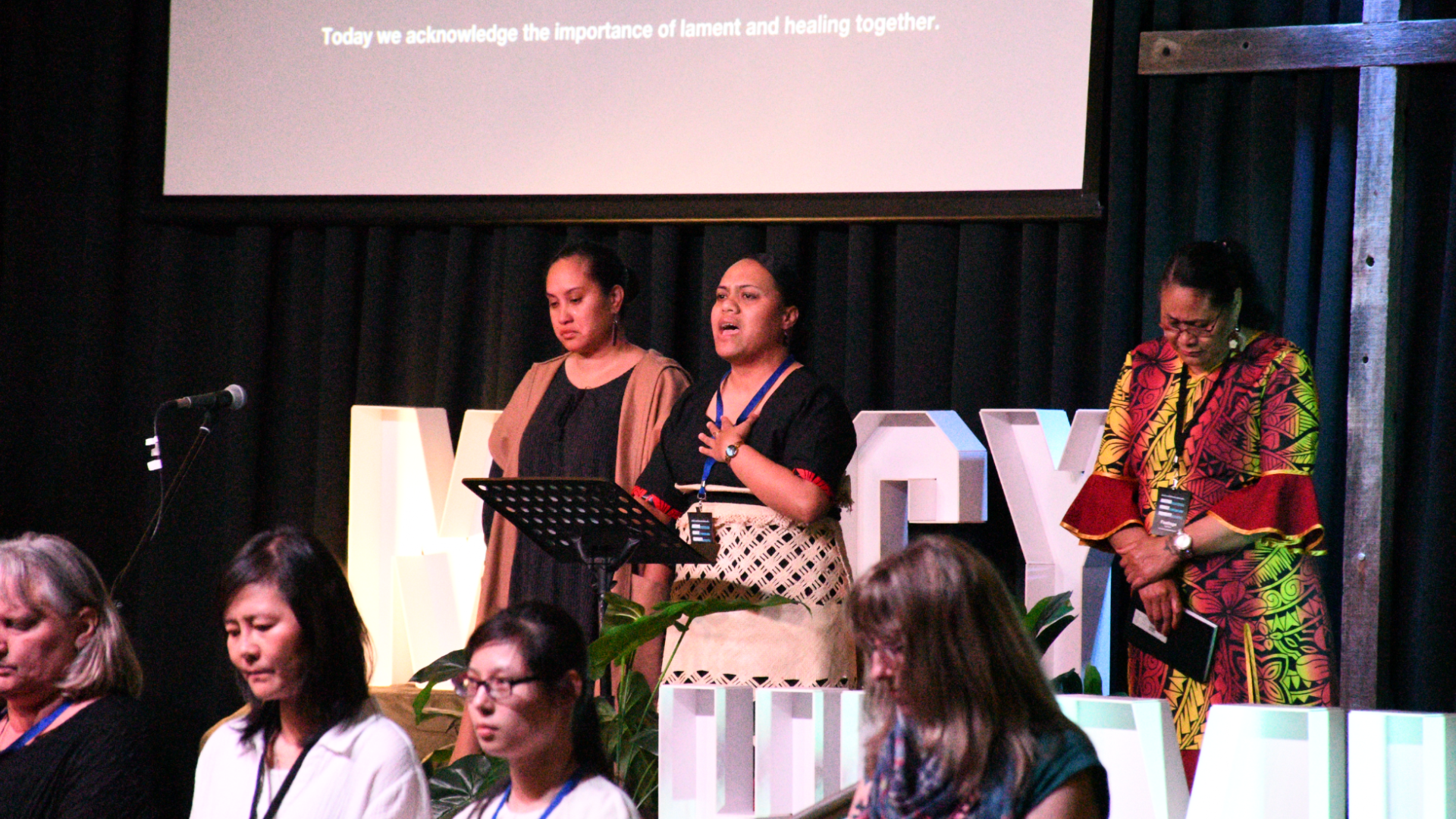
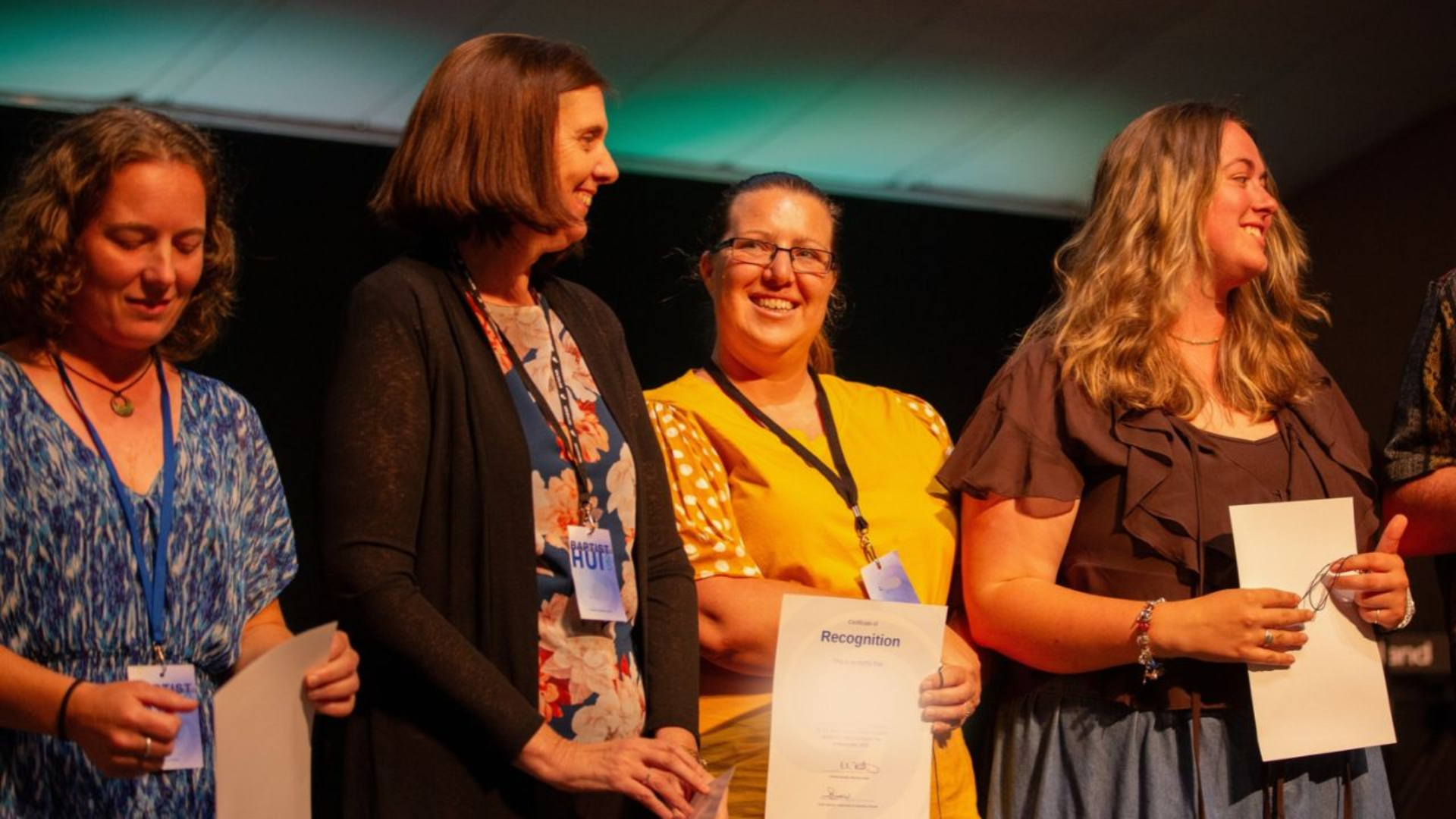
It has not been an easy journey for Baptist women in leadership, and the 2024 BUNZ Hui rightly acknowledged the pain of Baptist women who had experienced “dishonour, disrespect, inequality, and marginalisation” because of Baptist leaders and churches. Baptist Women NZ Chair, Tanya Lameta concluded the time of communal lament with these words: “We acknowledge our past. We validate our present. We are the stories of our future.”
Despite starting earlier on the journey of welcoming women in ministry leadership roles, the Baptist Union of Great Britan was also aware of their need for greater equity and opportunity for women leaders, and in 2018 launched Project Violet (PV) to investigate “women’s experiences in ministry whilst developing women ministers. The project … helped [the BUGB] understand more fully the theological, missional, and structural obstacles women ministers face in the Baptist community in Great Britain and identify ways forward.”
Following extensive research in Great Britain, the Project Violet team invited women from around the world to undertake related research in their own contexts. In response, Karen Warner and I selected and gathered women in diverse leadership roles within the Baptist Churches of New Zealand to participate in two online focus groups, reflecting on the Project Violet findings in the light of their own ministry and leadership contexts.
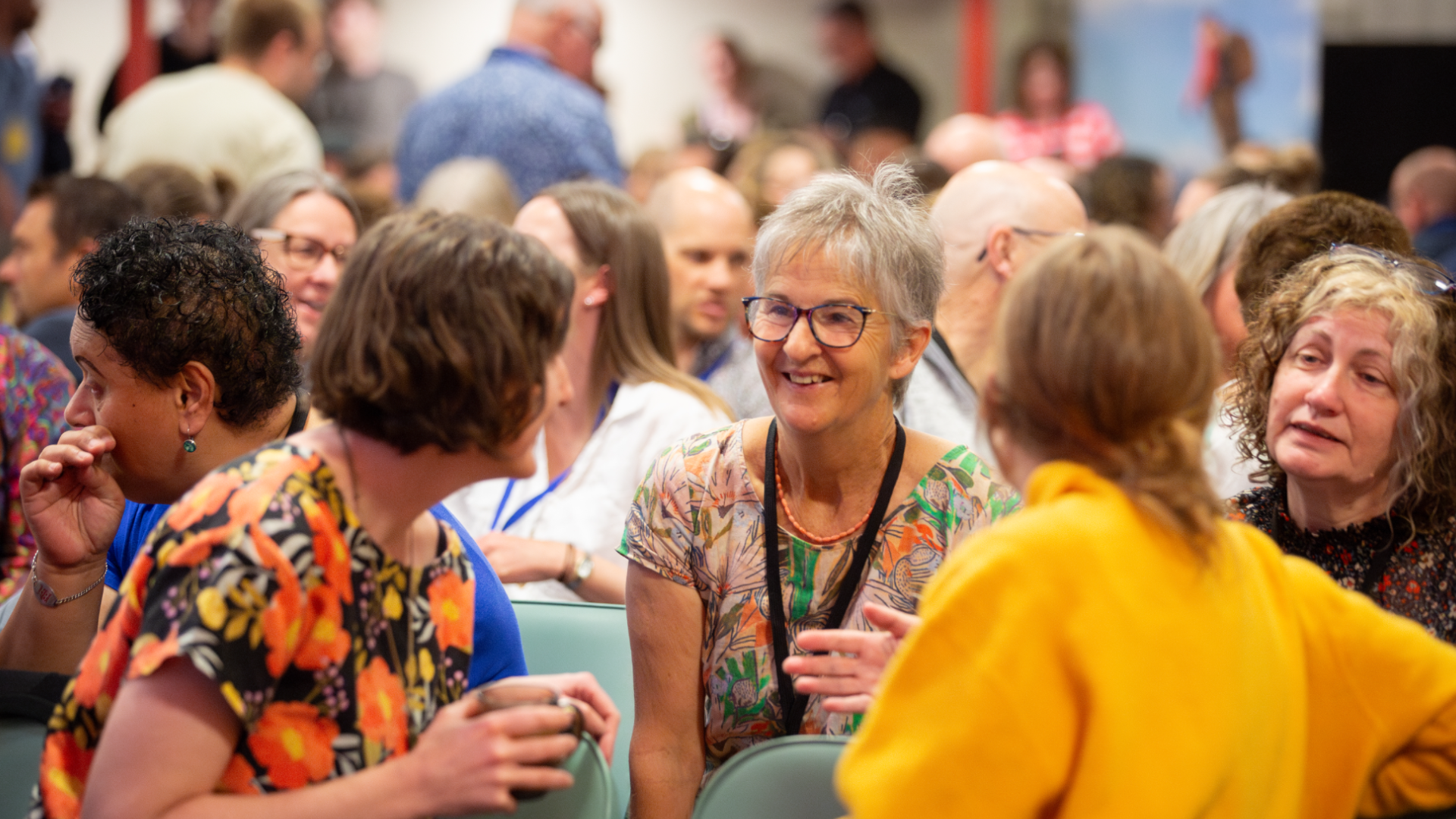
The conversations were rich and the participants were inspirational! (In this article, I include participants’ own words, in speech marks, where possible.) The participants were quick to acknowledge that “good change has happened” in the Baptist Union of New Zealand and did not want their reflections to undermine the significance of those improvements. Together, across two focus groups and subsequent analysis, we identified characteristics of the current reality, and the sorts of ongoing work that will be helpful going forward. This article takes some of these insights to the local level, considering how women and men in local Baptist churches might help remove barriers and support women to flourish in the life, work and ministry God has called them to.
While theological and biblical insights can certainly help the church to recognise and support the dignity, potential, and flourishing of all, churches generally lag society in key issues relating to women. Unhelpful for all, this is particularly impactful for “young women coming through [who] don’t have an experience of needing to ‘overcome social norms’ to be a woman in leadership in other professional spaces,” but encounter such barriers and patriarchal attitudes in the church. These attitudes and barriers can cause them to pull back from leadership particularly, and involvement in church life generally.

The unhelpful attitudes and barriers might certainly include overt actions that need to be challenged, but behind individual microaggressions lie wider structural issues and forces. Noone is immune from patriarchal and racist attitudes, therefore “we need to upskill our people around the structural impact … of [patriarchy, colonisation, and racism]. Everyone is biased because we live in a broken world where these biases exist and actually naming that first helps us move forward in healthy ways.” What helps? Being aware of our biases and checking our assumptions, reactions and responses against deeper values; growing security in our identity, whether as woman or man, Pākehā or Māori, young or old; and recognising the inherent worth of all. All are invited to this work.
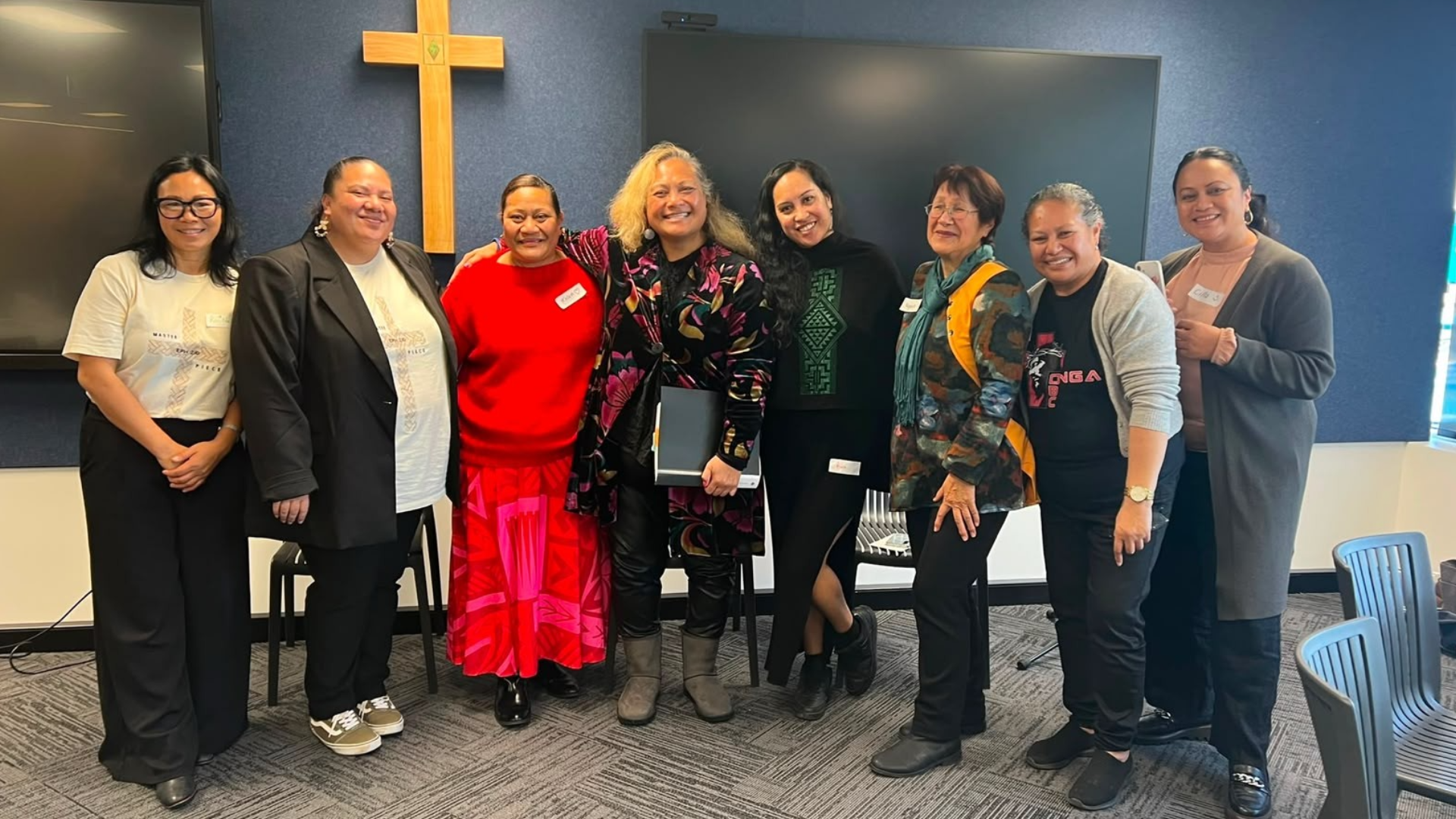
Female leaders carry “discriminatory”, “emotional, and spiritual” loads that their male counterparts do not share. They are “on guard” lest their leadership is not recognised; hyperaware that a personal failure impacts not just on themselves but on “all women”; and generously giving time to support younger or less experienced women. This takes a toll and could be better recognised and supported. The load and toll are magnified for wāhine Māori and for women of other ethnicities, who may also be invited to speak for others like them, while themselves recognising the diversity that exists within cultures. What helps? Recognising and celebrating women leaders’ contribution to developing other women leaders; acknowledging and thanking women for such mahi; and being clear that any weakness or failure in one woman is not common to all women, any more than that is the case for men.
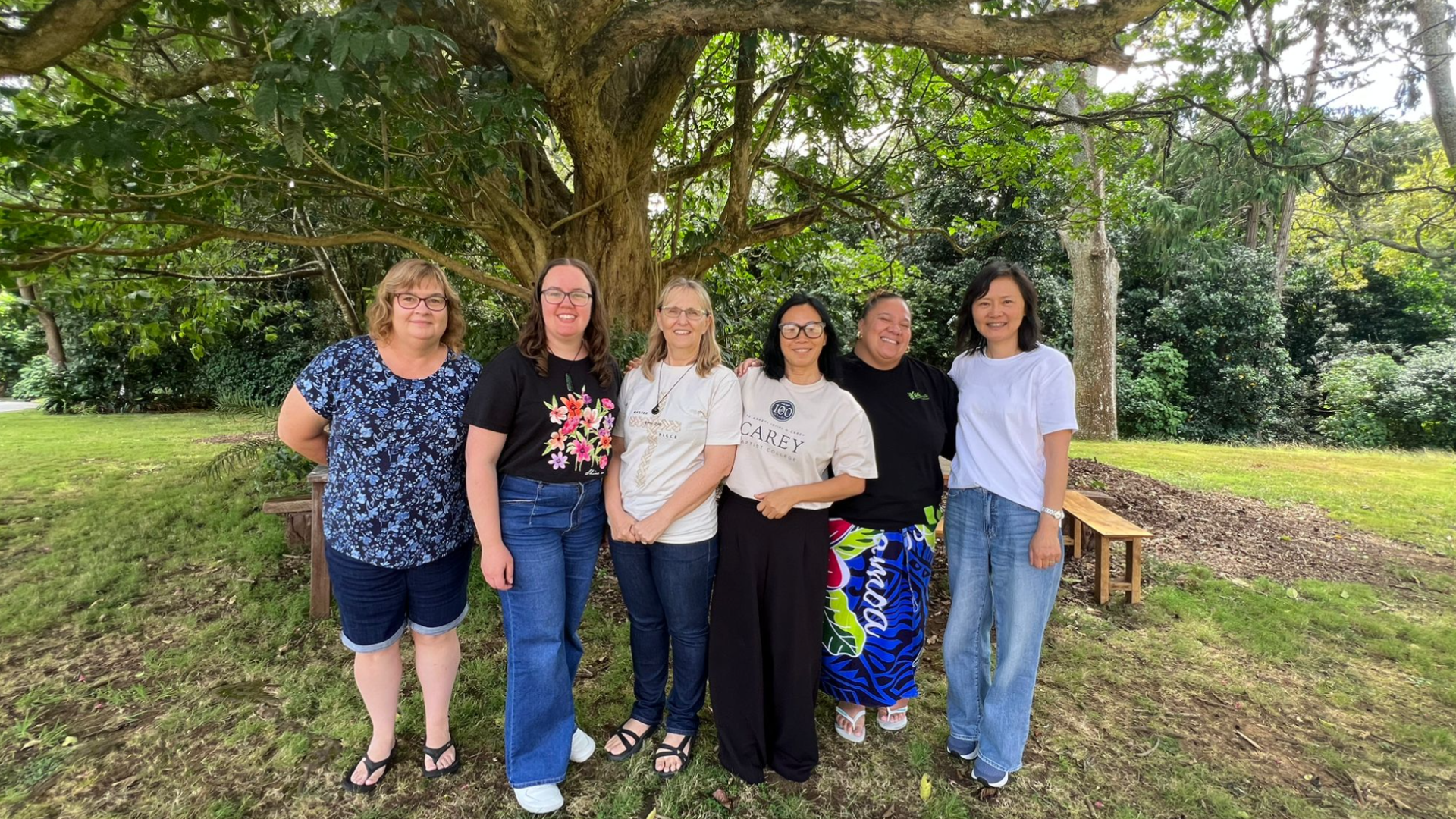
Women are diverse. They have diverse aspirations, experiences, opinions, and gifts; and Baptist churches are also diverse. Women are called towards a range of different leadership and ministry roles and “validating the many ways women can contribute” is vital, including in all areas of church life, as well as in chaplaincy and community-based work, and in secular leadership contexts. Women also differ from men, in their “resonance of voice, ability to have children, menstrual cycles and menopause etc.” These differences should be “seen as difference … and not as weakness.” What helps? Churches being upfront about their positions regarding women in leadership, particularly when appointing new staff, but also so prospective attenders can be clear whether their values align; celebrating the various ways that women contribute and not presuming that where they contribute today is the pinnacle of their leadership and service; distinguishing difference from weakness; and appropriately accommodating difference.

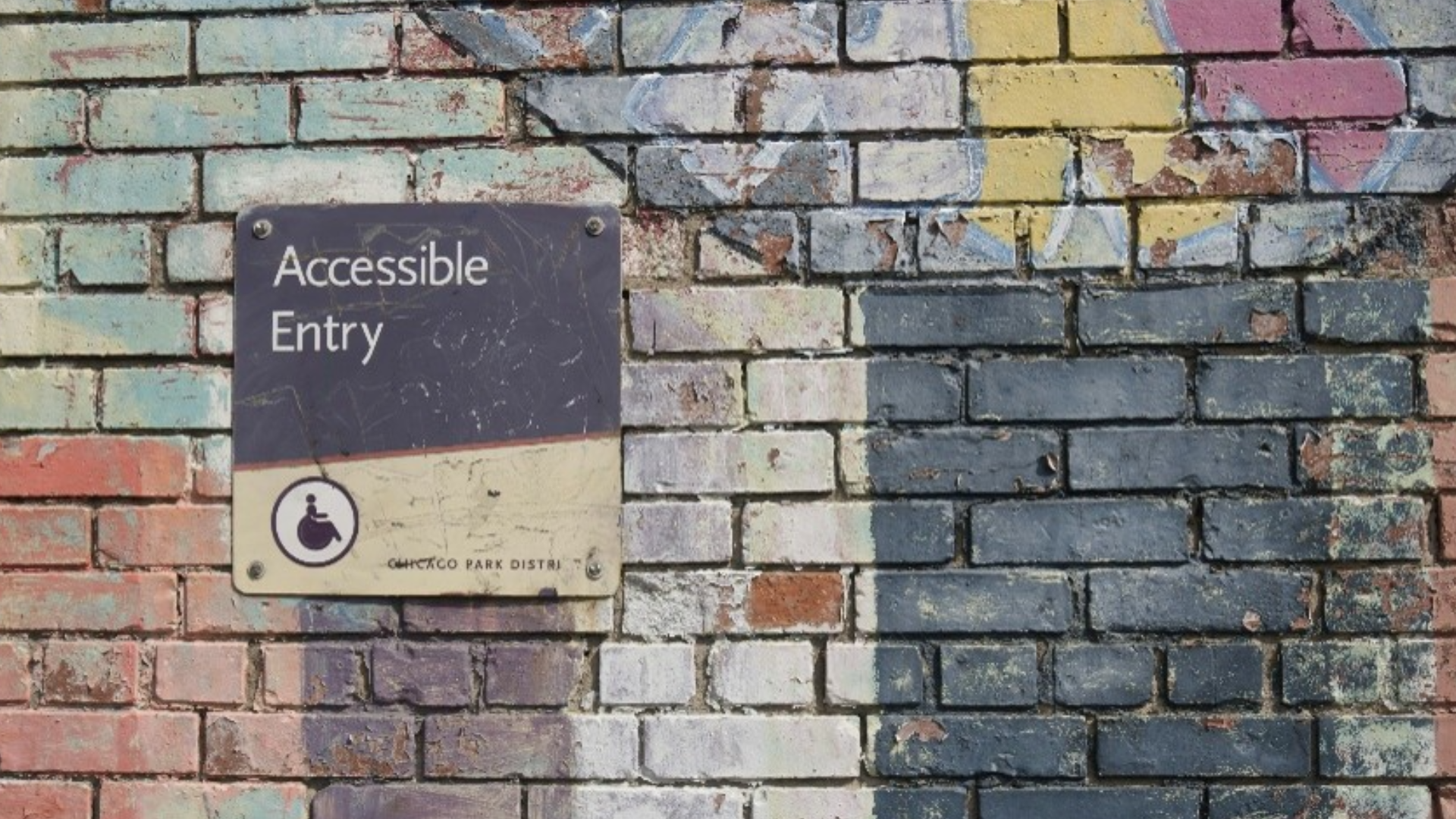
Visibility matters. “Role models” are vital because “that's how culture changes: by experience, more than it does by any policy or resource or training.” All girls and women, young and old, need role models who they can see leading, regularly, because “you can be what you can see.” Having and seeing women in leadership should be normalised: “Giving women roles in all aspects of church life, without a lot of noise about it, goes a long way.” What helps? Telling diverse stories of women in leadership. Thinking carefully about accessibility, so women are not excluded from opportunities due to caring responsibilities or experiencing unnecessary barriers to participating in mentoring or team development. Ensuring language is always inclusive; and that in preaching, the texts explored, examples given, and resources drawn on are attentive to diversity and inclusion. Having “women regularly preaching [including women of] different ages, ethnicities and stages.” The various ministry and leadership roles women fulfil can also be amplified – beyond Sunday and beyond the church.
Leadership journeys take time: “from the initial sense of God’s calling, through training, accepting a call to a role, through their early years of ministry, and beyond.” Support is needed at all stages of this journey, including targeted support for women. All can flourish when everyone regardless of gender, ethnicity, age, gifting, and call can find their unique place to serve. Each of us is invited to do our own work of being aware of our biases, checking our attitudes and growing in our personal sense of identity and call.
This research has illuminated both the good change that is happening in Baptist Union of New Zealand churches and organisations, and areas where more work is required. Personally, I was challenged and inspired by the women who participated in the focus groups: by their wisdom, grace, clarity and commitment to God, gospel and the Church. May we all recognise and celebrate the contributions others make, including as we value their diversity and uniqueness.
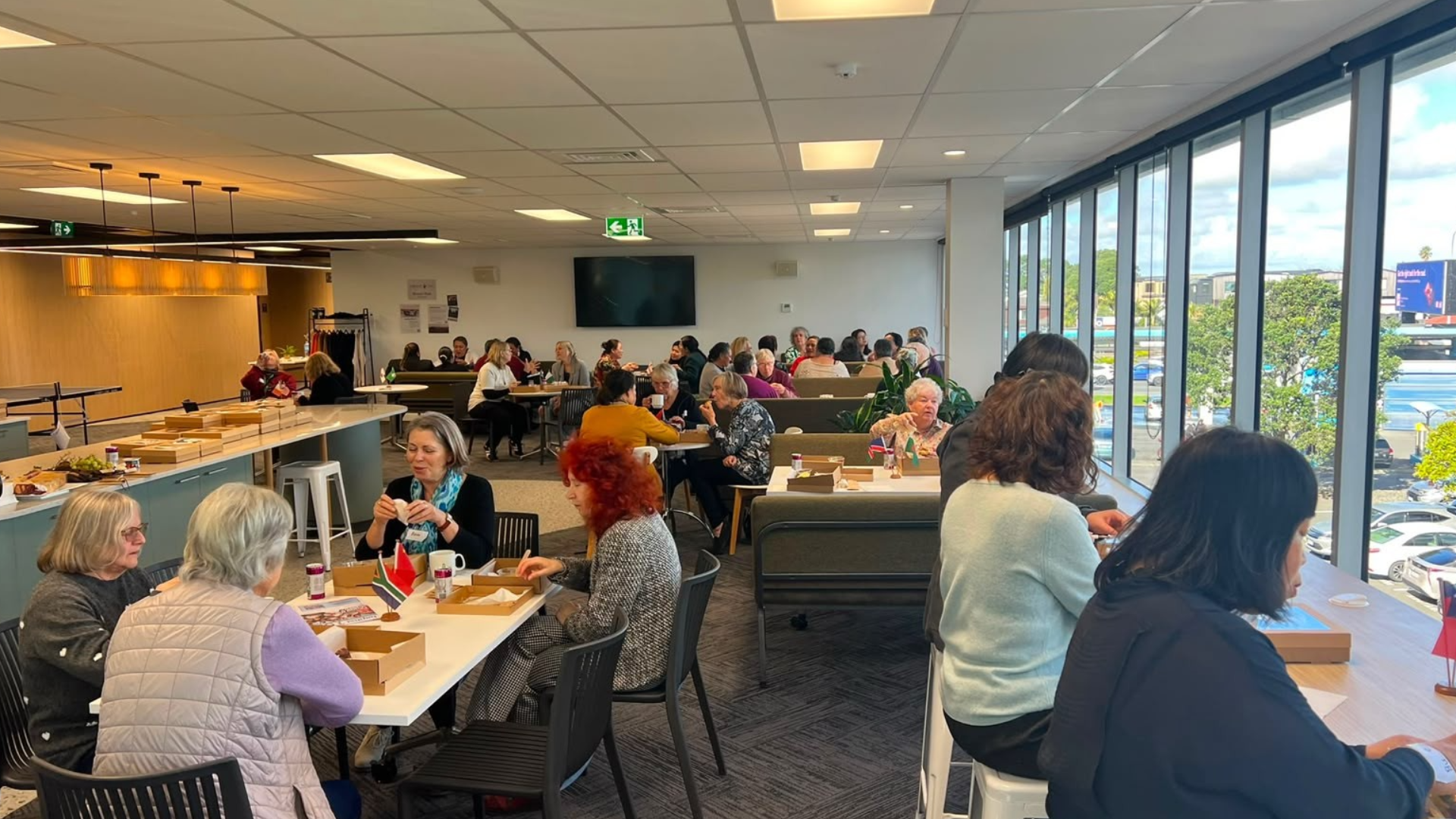
Image credits:
Main Photo: Baptist National Hui 2025. Celebration evening. Photographer, Emma Diack.
1) Violet Hedger Littleover Baptist Church. Taken from The Baptist Union of Great Britain : Violet Hedger
2) Celebration of Violet Hedger. Taken from Violet Hedger Celebration – Littleover Baptist Church
3) Cover of They Carved a Wider Place for Women. Book can be purchased from Castle Publishing.
4) Baptist Women at Hui 2024. Photographer, Mike Crudge
5) Women at Hui 2024. Photographer, Emma Diack
6) Photo by That's Her Business on Unsplash
7) Baptist Women's Auckland Retreat 2026. Supplied by Baptist Women.
8) Baptist Women NZ Board. Supplied by Baptist Women.
9) Young girl. Photo by Zahra Amiri on Unsplash
10) Accessible entry. Photo by Daniel Ali on Unsplash
11) Baptist Women's Auckland Retreat 2026. Supplied by Baptist Women.


